Does 1/4 Ring Size Make a Difference?
Does 1/4 ring size make a difference? Find out how minor differences in circumference may interfere with comfort, safety, and the movement of the ring throughout the day.
When you are told it is quarter-size, it sounds meaningless. It is only slightly smaller than normal ring sizes. However, when it comes to the sensation of how a ring fits on your hand, the slightest change in the measurements can be felt. Therefore, does 1/4 ring size make a difference? Yes, it certainly can in most instances. Rings are made to fit just around soft tissue, and not a firm surface. It implies that even minor differences in circumference may interfere with comfort, safety, and the movement of the ring throughout the day.
Table of Contents
How Small Is a 1/4 Ring Size?
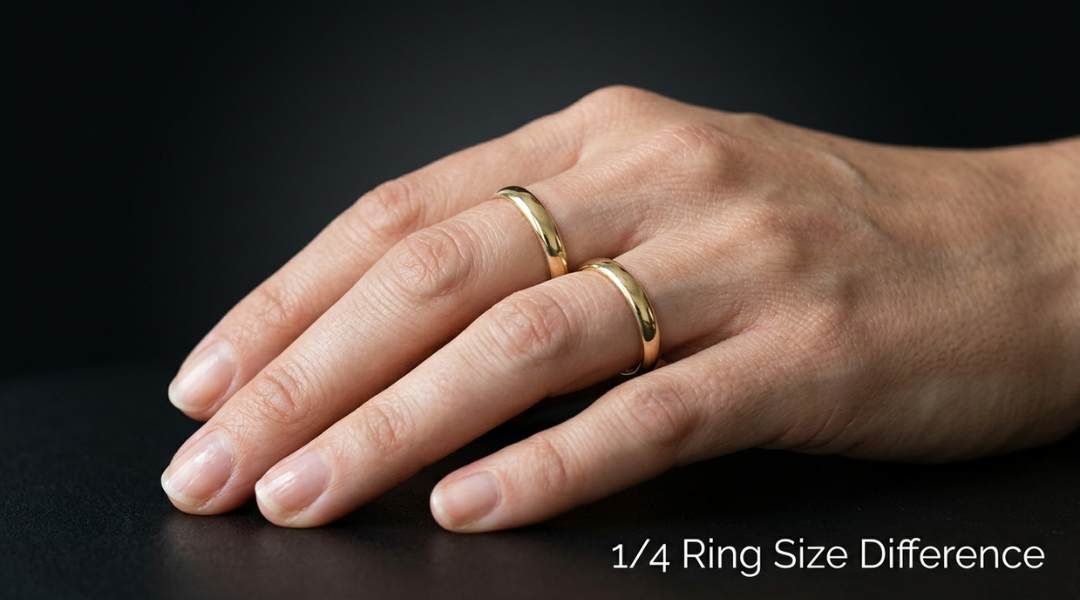
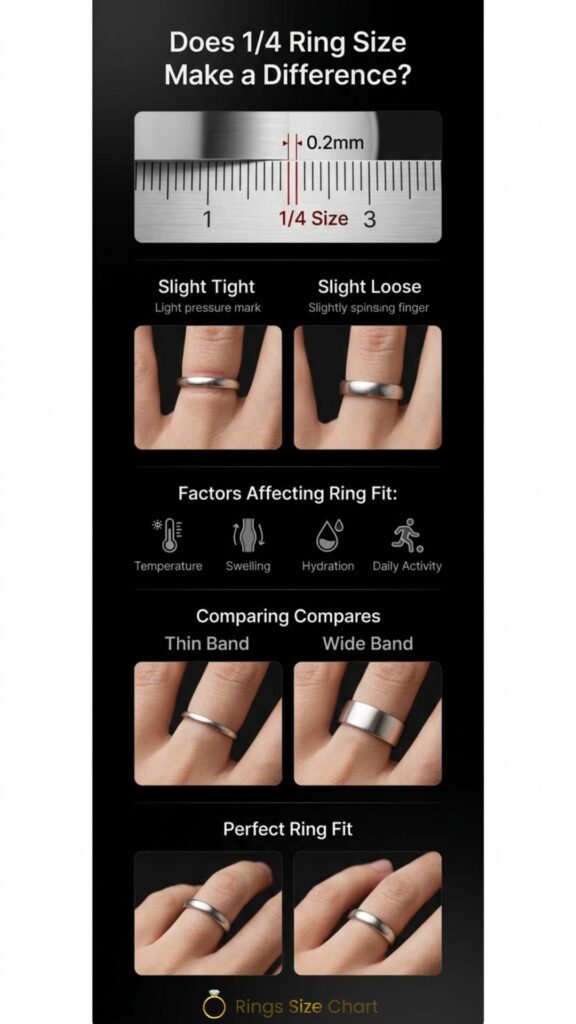
The size and ring are determined by the inner circumference of the band. A full-size increase in the U.S. sizing is approximately 0.8 millimeters (circumference). One quarter is approximately 0.2 millimeters. That variation might seem microscopic, less than the thickness of a credit card, but on a finger, it can be enough to alter the behavior of a ring. Fingers are able to contract and expand; thus, even slight changes are important.
If you’re wondering how to measure such a small difference, learning how to measure ring size correctly or using a tape measure method can give more accurate results.
Why a Tiny Adjustment Can Feel Noticeable
All day, your fingers are not the same size. They react to temperature, level of hydration, activity, and even diet. Heat causes mild swelling, and cold weather may cause slight shrinkage of fingers. Fluid retention can result in rings being tightened after exercise or a salty meal. During winter, the same ring could revolve more freely. When you already have a ring that is almost fitting just perfectly, then that 1/4 size can make your job or break it. That small adjustment can minimize spinning, stop slipping, or relieve pressure without necessarily changing its fit. These small shifts are part of normal ring size fluctuation throughout the day.
When a Quarter Size Makes the Biggest Impact
The size difference of 1/4 is usually the most apparent in some rings. Fitting differences are more easily seen in the form of thin bands: delicate engagement rings or stacking rings. Even small size changes can enhance stability since they contribute to stability because they have fewer surfaces on which to hold the finger. Wide bands, however, feel tighter naturally, and this is because it covers a greater part of the finger. This is especially noticeable across different types of rings.
In such situations, a quarter-size increase might go a long way in enhancing the comfort without causing the ring to loosen. The interior design is also important. Comfort-fit rings have a rounded interior, i.e., with slightly rounded sides to the inside of the band, which tend to slide on much more easily and can also seem looser than flat interior bands. In such cases, a quarter-size fine adjustment is all that is needed to adjust the feel without necessarily changing it half-size.
Can You Actually Feel a 1/4 Size Difference?
Certain individuals are able to experience it instantly. Unless the ring is already tight or loose, other people might not realize it. When your ring now spins but does not come off, or is tight but not painful, then a quarter-size adjustment can make the ring just right. In case the ring is evidently either too tight or too large, a 1/4 size variation will probably not resolve the issue. In such situations, a half or full-size adjustment might be required. Sensitivity is also relative to individuals. People with small fingers or large knuckles might be more aware of the minor variations compared to people with larger hands.
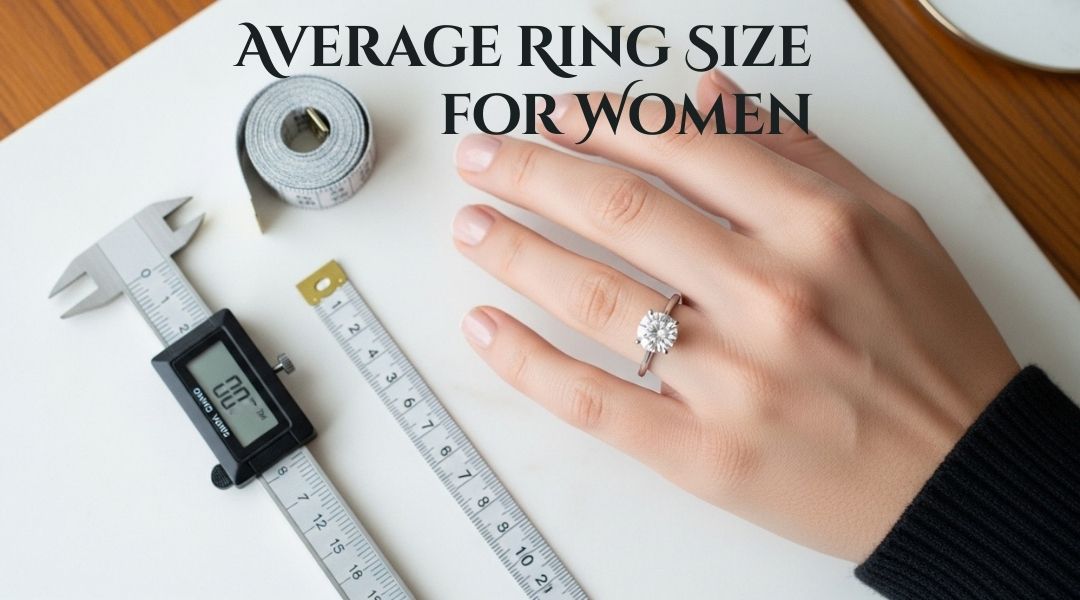
Fit sensitivity can vary from person to person, which is why knowing the average ring size for women or the average engagement ring size can be helpful as a baseline.
Seasonal and Daily Fluctuation
Many individuals experience a natural change in the size of their rings of approximately a quarter size throughout the day. Your ring may be tight in the summer heat. It can become looser in cold winter. This is the reason why jewelers usually advise measuring your finger in the middle of the day at room temperature, when the swelling is minimal. Since natural fluctuation can usually be found within the quarter-size range, there are those who choose to have their ring slightly tight so that it fits comfortably in colder seasons, and there are those who have it adjusted to suit warmer weather.
When 1/4 Size Isn’t Enough
A quarter size is not going to solve bigger problems. In case your ring imprints deep scratches, it cannot go around your knuckle or has a tendency to come off easily, then there is a high probability that a larger change in size will be necessary. Loss of significant weight, swelling during pregnancy, or changes in the joints with age usually require a half-size adjustment. When that happens, then the most appropriate solution is to resize the band instead of making a slight adjustment.
Finding the Right Balance
Does 1/4 ring size make a difference? A properly fitted ring ought to slide on without much difficulty, slide across the knuckle without any pain, and fit snugly at the end of the fingers. It does not have to be spinning all the time, but it must not be restrictive. Due to the precision requirement of rings, even a millimeter counts. Ultimately, it is clear-cut: yes, even the 1/4 ring size can count, particularly when you are effectively close to the absolutely fitting ring.

Zara Fatima is a fashion writer with a love for exploring trends and styles. She enjoys researching fashion and sharing her insights to help others discover and enjoy unique pieces. Zara also loves creating dough jewelry, turning her passion into beautiful, wearable art.