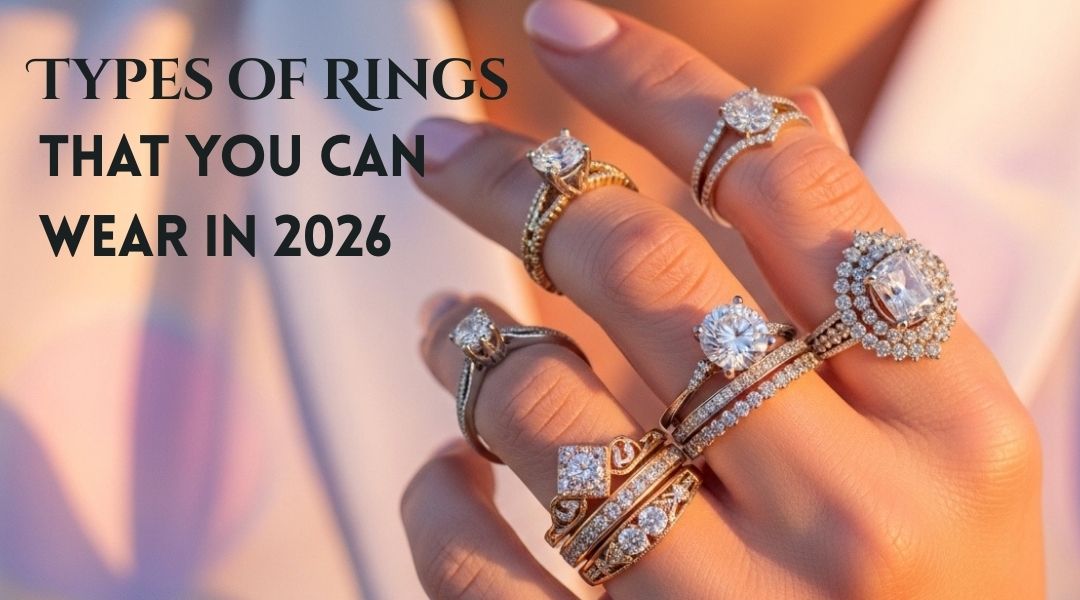
Types of Rings in 2026: Styles, Settings & Designs
Explore different ring types in this detailed guide. Learn about ring styles, designs, settings, and purposes to better understand how rings are categorized and worn.
Rings are known to have been used as personal ornaments for far longer than they have served as symbols of matrimonial status. There are so many ring types out there today that it can be a rather daunting task to sort through all of the differences and similarities between them. Whether you choose a basic band or an elaborate statement piece, the style of every ring has its place and meaning.
This guide is to help you understand the basics of the most common kinds of rings. If you’re diving into the world of design styles or simply looking to brush up on your general knowledge, here’s everything you need.
Table of Contents
Classic Ring Types Based on Purpose
Engagement Rings
Engagement rings carry the symbolism of proposals and promises. They typically center around a focus gemstone and are made to be extreme. The design usually emphasizes one prominent gemstone, though variations exist.
Before choosing an engagement ring, it can be helpful to understand the average engagement ring size and how sizing may vary between individuals.
Wedding Rings and Bands
Wedding rings (or wedding bands) usually have a more noticeable design. They can be worn on a daily basis as comfort fit bands and are made to last the test of time. Some are plain, and others are set with small stones or engraved details.
Promise Rings
Promise rings are a sign of commitment or a promise to be committed. They tend to be less flashy than engagement rings, and an engagement ring is available in many designs, making it versatile in appearance.
Ring Types Based on Design Style
Solitaire Rings
Solitaire rings have only one gemstone that is a visible centerpiece. The ring is designed to be minimal and clean, not to take away from the beauty of the stone.
Halo Rings
Halo rings frame a center stone with additional, smaller stones for greater prominence and brilliance. This gives an enhanced appearance of size and sparkle, without altering the core structure of the ring.
Eternity Rings
Eternity rings feature stones that run all the way around the shank. They are known for their continuous pattern and symmetrical appearance
Cocktail Rings
Bold, large cocktail rings come in designs that are meant to be seen. These rings usually have big stones or intricate designs and are worn solely as accent pieces.
Ring Types Based on Band Structure
Plain Bands
Plain bands contain no stones or other design features. What makes them so appealing is their simplicity and comfort, which in turn means they are timeless.
Split Shank Rings
In split shank rings, the band splits when it meets the middle stone. It’s a nice way to add some visual interest and still keep the balance.
Bypass Rings
Bypass rings occur with a band that curves around the center and does not form a complete circle. This cut offers a sleek and modern appearance.
Rings Categorized by Setting Style
Prong Setting Rings
A prong setting is where the stone is held in place by small metal claws. This, in turn, will allow more light to flow through the stone, resulting in more sparkle and fire.
Bezel Setting Rings
In a bezel setting, the stone is set against a metal rim. This type provides extra protection and a nice, modern feel.
Pavé Setting Rings
Pavé settings have tiny stones that are set near each other within the band. The result: a textured, glittering surface.
Decorative and Symbolic Ring Types
Signet Rings
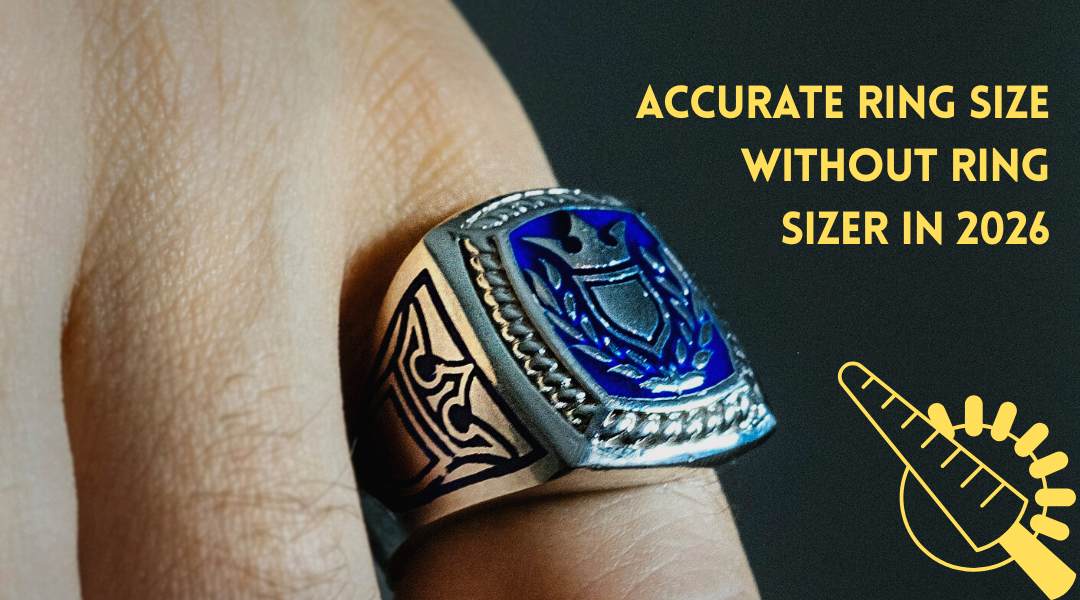
The signet ring has engraved designs or initials on it. Traditionally linked with identity and heritage, but now they’re also in demand for their timeless appearance.
Birthstone Rings
Birthstone rings have the stones associated with months worn as jewelry. These rings are used due to personal or symbolic meaning.
Stackable Rings
Stackable rings are very skinny band rings meant to be stacked together. They are easy to personalize and layer with styles and textures.
How Ring Types Differ in Comfort and Fit
Different ring types affect how a ring feels when worn, similar to how much ring size varies between fingers.
Wide rings can feel more snug than narrow ones, which is one reason a 1/4 ring size can make a difference in comfort; heavily set rings may sit higher on the finger.
Knowing about rings actually explains why ring size fluctuate.
Choosing the Right Ring Type for Daily Wear
Certain ring designs are more conducive to daily use because of the rings’ build and simple design. Band rings with plain bands, bezel-set styles, and low-profile pieces tend to be more practical for everyday wear. Fancier styles, like cocktail or pavé rings, may need more attention.
Once you know which ring style suits your needs, exploring some of the best jewelry brands in the USA can help you compare different designs, materials, and craftsmanship options.
Finger size can also change over time, so understanding whether ring size changes with age can help when selecting a ring for long-term wear.
Final Thoughts on Ring Types
Understanding different ring types will lead you to an even broader understanding of how design, function, and meaning can converge into one small but absolutely significant accessory. Whether you’re into vintage bands or statement pieces, every style carries a distinct purpose and approach to styling.
By understanding the various factors that go into rating or determining perspective on ring designs, you will be in a better position to appreciate what makes one distinct from another. Looking from an aesthetic, cultural, or practical perspective, ring types offer a narrative, one that extends far beyond how it looks.

Zara Fatima is a fashion writer with a love for exploring trends and styles. She enjoys researching fashion and sharing her insights to help others discover and enjoy unique pieces. Zara also loves creating dough jewelry, turning her passion into beautiful, wearable art.